Industrial Automation: A Complete Guide for Beginners (2026 Edition)
What is Industrial Automation?
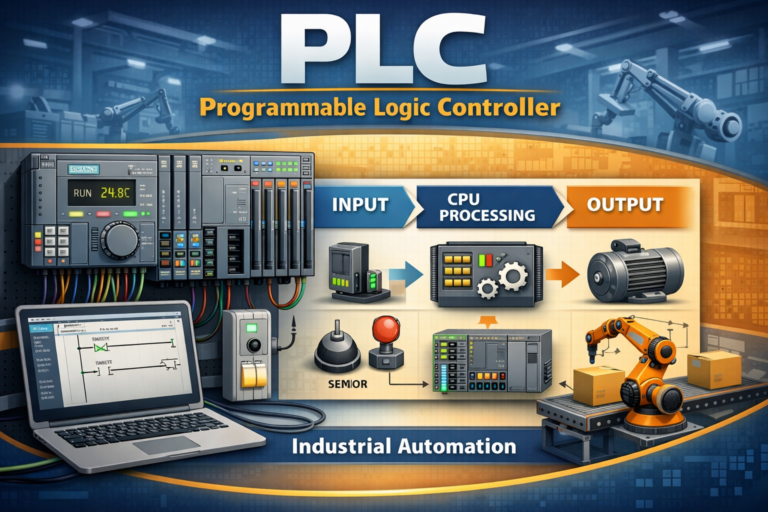
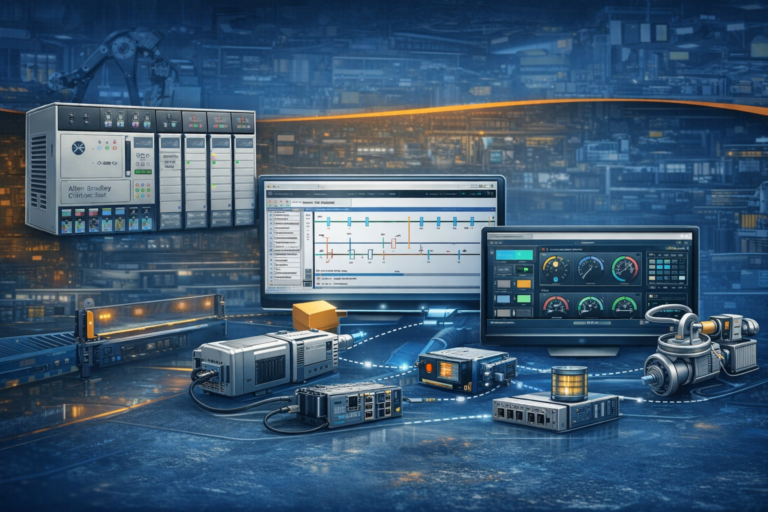
Industrial automation refers to the use of control systems such as computers, PLCs (Programmable Logic Controllers), robots, and information technologies to handle industrial processes with minimal human intervention.
It is a key driver of modern manufacturing, helping industries improve efficiency, reduce costs, and enhance product quality.
Why is Industrial Automation Important?
Industrial automation plays a critical role in today’s industries by:
- Increasing production speed
- Improving accuracy and consistency
- Reducing human error
- Enhancing workplace safety
- Lowering operational costs
Companies that adopt automation gain a competitive advantage in the global market.
Types of Industrial Automation
1. Fixed Automation
- Designed for mass production
- High efficiency but low flexibility
- Example: Automotive assembly lines
2. Programmable Automation
- Can be reprogrammed for different tasks
- Suitable for batch production
3. Flexible Automation
- Highly adaptable systems
- Used in industries with varying products
Key Components of Automation Systems
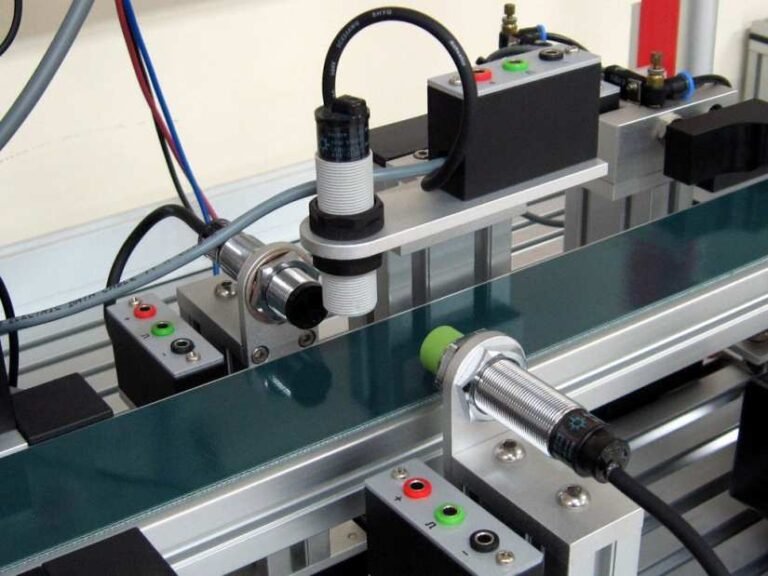
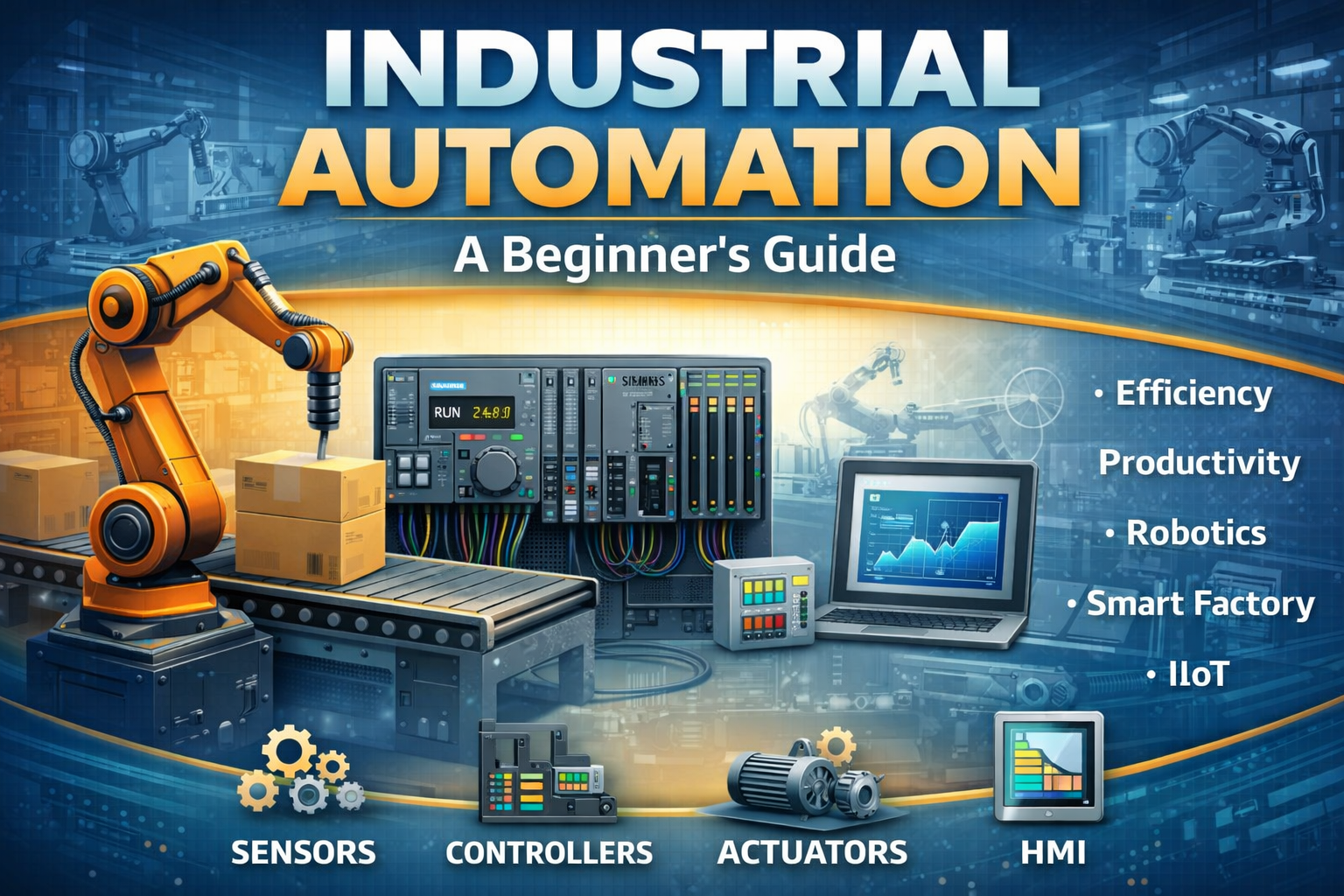
1. Sensors
Sensors collect data from the environment such as temperature, pressure, or motion.
2. Controllers
Controllers (like PLCs) process input data and make decisions.
3. Actuators
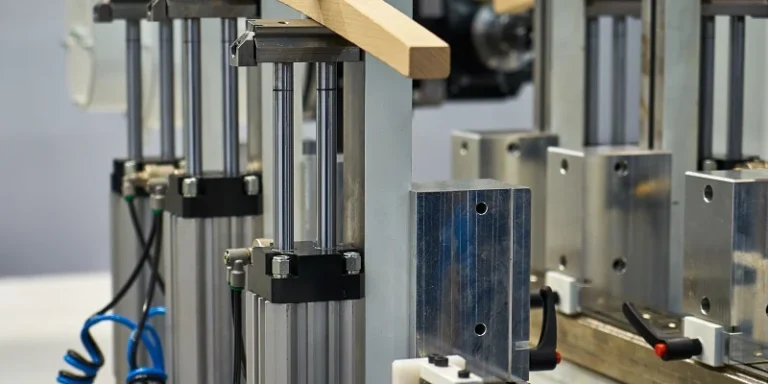
Actuators convert signals into physical actions (e.g., motors, valves).
4. Human Machine Interface (HMI)
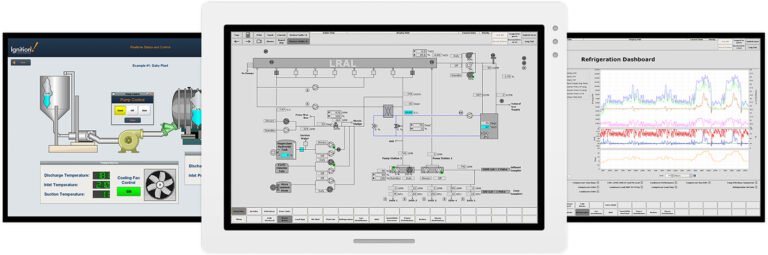
Allows operators to interact with machines and monitor systems.
Benefits of Industrial Automation
- Higher productivity
- Improved product quality
- Reduced labor costs
- Better safety conditions
- 24/7 operation capability
Real-World Applications
Industrial automation is used in many sectors:
- Manufacturing plants
- Oil and gas industry
- Food processing
- Pharmaceutical production
- Power generation
Despite its advantages, automation also comes with challenges:
- High initial investment
- Need for skilled workforce
- Maintenance complexity
- Cybersecurity risks
Future of Industrial Automation
The future of automation is shaped by advanced technologies such as:
- Artificial Intelligence (AI)
- Industrial Internet of Things (IIoT)
- Smart factories
- Robotics and machine learning
These innovations are transforming industries into fully connected and intelligent systems.
Conclusion
Industrial automation is revolutionizing the way industries operate. From improving efficiency to ensuring safety, automation is no longer optional—it is essential for businesses aiming to grow and compete globally.
As technology continues to evolve, the integration of automation will only become more powerful and widespread.